
¿Quieres un resumen de este artículo?
Member of the Jury – 6th Edition of the CENIE Photography Contest
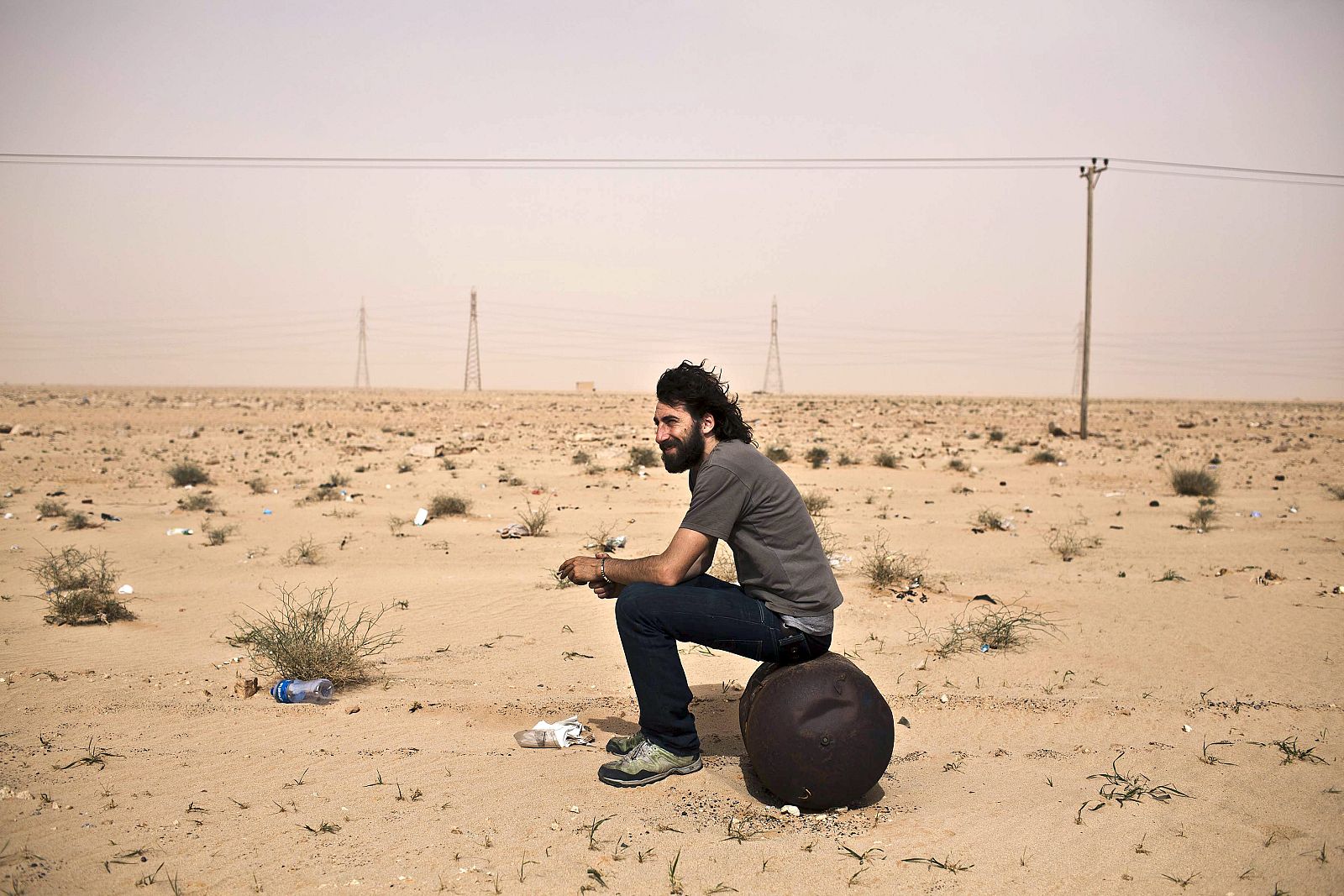
There are photographers who search for beauty, and others who find it even amid chaos. Manu Brabo belongs to this second lineage: those who have turned photography into a form of testimony and conscience. His gaze, born in Zaragoza in 1981 and forged in some of the harshest settings on the planet, is a reminder that an image can also be a form of justice.
A freelance photojournalist, Manu Brabo has worked in conflict zones such as Haiti, Kosovo, Bolivia, and Libya. In the latter, he was detained in 2011 during the offensive of Gaddafi’s troops and spent over a month imprisoned before being released. Since then, his name has been linked to a way of understanding journalism that combines risk, humanity, and commitment.
Trained at the School of Arts in Oviedo, he began his career in 2007, and his work quickly became a benchmark in contemporary photojournalism. In 2013, he received the Pulitzer Prize in the category of Breaking News Photography, the highest international recognition for a photographer, for his coverage of the Syrian Civil War.
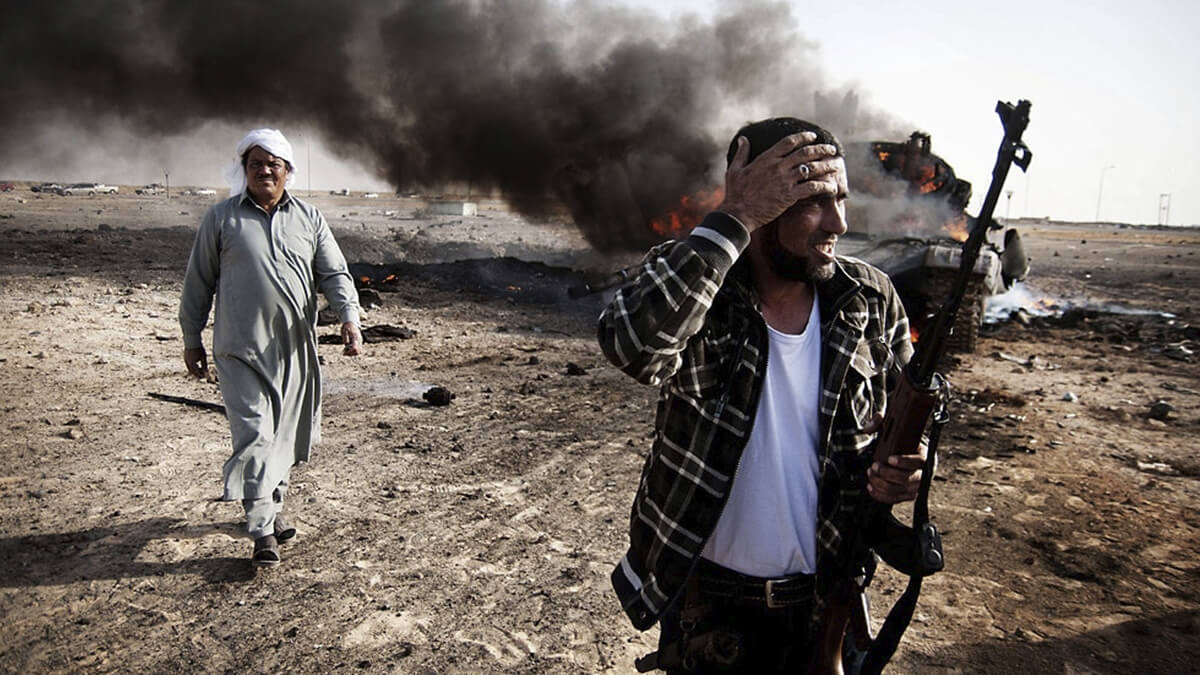
But beyond the awards — among them the Chris Hondros Memorial Award, the Prix Bayeux-Calvados for war correspondents, and the British Journalism Award for Photographer of the Year — what distinguishes Manu Brabo is his ability to look at pain without losing compassion. His camera doesn’t linger on tragedy; it transforms it into human narrative.
Photographing to Understand
Throughout his career, he has documented wars, migrations, and natural disasters for outlets such as The Wall Street Journal and The Associated Press, as well as for organizations like Reporters Without Borders and The Wellcome Trust. In each image beats a question: how do we remain human amid disaster?
His series A Day Like Any Other, produced with National Geographic and turned into a traveling exhibition through Madrid and Barcelona, is a synthesis of his vision. There, the anonymous faces of the Middle East portrayed by Brabo return to us an uncomfortable truth: war is not a distant landscape, but a human condition that concerns us all.
In recent years, he has expanded his field of work with projects that go beyond war reporting to explore the emotional and social dimension of photography. He has collaborated in cultural and solidarity campaigns such as War Reporters Against Breast Cancer, artistic projects with the Prado Museum, and initiatives that merge photography and music, such as Ukráina, together with the rock band Toundra.
He has also shared his experience as a professor in the Master’s in Photojournalism program at EFTI, teaching new generations an essential lesson: the camera is not a shield but a form of responsibility.
The Gaze that Humanizes
The inclusion of Manu Brabo on the jury of the 6th Edition of the CENIE Photography Contest adds a powerful ethical and narrative dimension to the event. His career reminds us that photography is not only about aesthetics — it is also about memory, denunciation, and empathy.
This year’s theme — Age Does Not Define Us. The Gaze Does. — finds deep resonance in his work. In the faces he has portrayed — of fighters, refugees, mothers, or older people who endure amid collapse — age has never been a limit, but rather a story written on the skin.
His presence on the jury reinforces the essence of the contest: to show life in all its breadth — with its scars and its beauty, its contradictions and its hope. Each participant, through their own reality, can contribute a perspective that expands our understanding of the world.
An Invitation to Participate
The deadline to submit photographs is November 30. Participating is a way of joining the legacy of truth that Manu Brabo embodies: to look without fear, but with respect.
The CENIE jury, of which he is a part alongside other internationally renowned figures, will evaluate the works with the rigor and sensitivity that a contest of this level demands — one that seeks to redefine how we look at longevity and the human condition. Because, in the end, as Brabo’s work demonstrates, to photograph is to choose what deserves to be remembered.
Find out more about his work here.
¿Quieres que te recomendemos más artículos en base a tus lecturas anteriores?